Maurie McInnis Achieves Excellence Transforming Yale University Leadership
The Journey of Maurie D. McInnis Inspiring Academia

Introduction
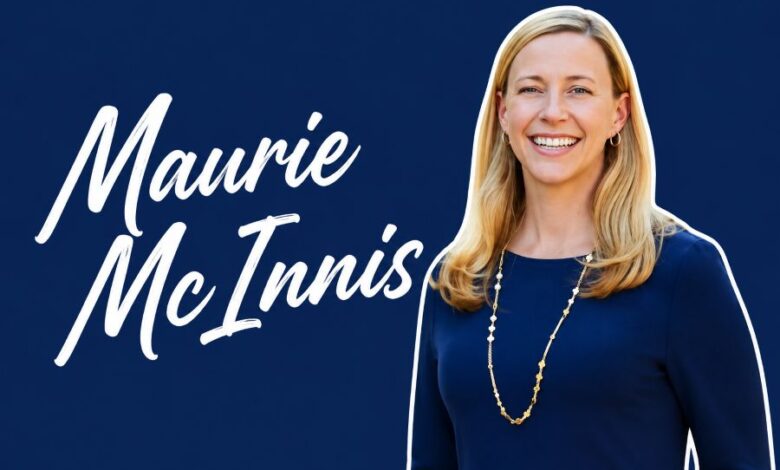
Maurie McInnis has emerged as one of the most influential academic leaders in contemporary American higher education. From her beginnings in St. Petersburg, Florida, to becoming the first permanent female president of Yale University, McInnis has combined scholarly rigor with bold leadership. Her story reflects both challenges and triumphs, highlighting a career devoted to knowledge, innovation, and institutional growth. Known for her meticulous scholarship in American art history, she has bridged academic expertise with leadership that transforms universities into vibrant centers of research and learning.
Her work emphasizes the importance of visual culture, historical context, and social justice, establishing her as a thought leader in cultural history and educational administration. As President of Yale University, she continues to inspire students, faculty, and the broader academic community.
Quick Bio
| Attribute | Details |
|---|---|
| Full Name | Maurie Dee McInnis |
| Date of Birth | January 11, 1966 |
| Birth Place | St. Petersburg, Florida, U.S. |
| Nationality | American |
| Profession | Cultural historian, educator, university president |
| Current Position | President of Yale University |
| Education | B.A., University of Virginia; M.A., M.Phil., Ph.D., Yale University |
| Spouse | Dean Johnson |
| Children | Two |
| Major Publications | The Politics of Taste in Antebellum Charleston, Slaves Waiting for Sale |
Early Life and Education
Maurie McInnis was born in 1966 in St. Petersburg, Florida. She grew up in a family dedicated to education; her parents were both faculty members, while her great-grandparents ran a local schoolhouse. This early environment instilled in her a lifelong passion for teaching, research, and scholarship. She demonstrated intellectual curiosity and determination from a young age, excelling academically and earning recognition as a Jefferson Scholar during her undergraduate studies.
At the University of Virginia, she earned a B.A. in Art History with highest distinction, laying a foundation for her career in cultural history. She then pursued advanced studies at Yale University, completing her M.A., M.Phil., and Ph.D. Her dissertation, The Politics of Taste: Classicism in Charleston, South Carolina, 1815–1840, explored the intersection of art, culture, and society, establishing her as a respected scholar in American art and visual culture.
Academic Career and Early Roles
After completing her doctorate, Maurie D. McInnis began her academic career at the University of Virginia, where she taught American art and material culture. Over nearly two decades, she held multiple leadership positions, including Associate Dean, Director of American Studies, and Vice Provost for Academic Affairs. Her work focused on fostering interdisciplinary research and enriching the academic experience for students.
During this period, McInnis published several influential books that examined the politics of art, culture, and race in the antebellum South. Her scholarship earned multiple awards, including the Charles C. Eldredge Prize and the Spiro Kostof Book Award. Through these achievements, she established a reputation for scholarly excellence and thought leadership, blending rigorous research with accessible insights for broader audiences.
Leadership at Major Universities
University of Texas at Austin (2016–2020)
Maurie McInnis transitioned to executive leadership as Executive Vice President and Provost at the University of Texas at Austin. In this role, she oversaw academic programs across multiple colleges, promoted research innovation, and strengthened faculty development initiatives. Her tenure was marked by strategic planning, fostering inclusion, and implementing policies that supported both faculty and student success.
Stony Brook University (2020–2024)
In 2020, she became the sixth president of Stony Brook University, part of the State University of New York system. Here, she led transformative initiatives, expanded research programs, and strengthened university partnerships with government and industry. Despite the challenges of managing a large public university during a global pandemic, she maintained focus on academic excellence and institutional resilience.
Yale University (2024–Present)
Maurie McInnis made history as the first permanent female president of Yale University in 2024. Her leadership emphasizes innovation, equity, and research excellence. She oversees university-wide strategic planning, fosters interdisciplinary collaboration, and champions student engagement across diverse fields. Her presidency represents a historic milestone for the institution and continues to inspire leaders in academia globally.
Major Publications
Maurie D. McInnis has authored several seminal works that explore American art, culture, and social history:
- In Pursuit of Refinement: Charlestonians Abroad, 1740–1860
- The Politics of Taste in Antebellum Charleston
- Slaves Waiting for Sale: Abolitionist Art and the American Slave Trade
- Educated in Tyranny: Slavery at Thomas Jefferson’s University
Her writings bridge historical scholarship and contemporary relevance, illuminating complex themes in visual culture and American society.
Awards and Honors
McInnis has received numerous accolades recognizing her contributions to scholarship and leadership:
- Charles C. Eldredge Prize (Smithsonian American Art Museum)
- Library of Virginia Literary Award for Nonfiction
- Spiro Kostof Book Award
- Fred B. Kniffen Book Award
- George C. Rogers Jr. Book Award
- Thomas Jefferson Visiting Fellow, Downing College, University of Cambridge
These honors reflect both the quality of her research and her commitment to advancing higher education.
Career Timeline
| Year | Position / Achievement |
|---|---|
| 1988 | B.A., University of Virginia |
| 1990 | M.A., Yale University |
| 1993 | M.Phil., Yale University |
| 1996 | Ph.D., Yale University |
| 1998–2016 | Professor and Administrator, University of Virginia |
| 2016–2020 | Executive Vice President & Provost, University of Texas at Austin |
| 2020–2024 | President, Stony Brook University |
| 2024–Present | President, Yale University |
Career Overview and Impact
Maurie McInnis has achieved a rare blend of scholarly distinction and institutional leadership. Her work in American art history has shaped understanding of cultural, political, and social dynamics in historical contexts. At the same time, her leadership roles reflect her capacity to manage complex organizations, develop strategies for growth, and cultivate academic excellence.
She is respected for her ability to bridge research and administration, mentor faculty, and inspire students. Her presidency at Yale University represents a continuation of her career-long commitment to advancing higher education and fostering an inclusive, innovative academic environment.
Conclusion
Maurie McInnis exemplifies the power of intellect, leadership, and perseverance. From her early education in Florida to leading one of the world’s most prestigious universities, she has consistently demonstrated vision, resilience, and a commitment to excellence. Her contributions to American art history and university leadership have left an indelible mark, reflecting a career that inspires both current and future generations of scholars and leaders.
FAQ
Q1: Who is Maurie McInnis?
She is a cultural historian and President of Yale University.
Q2: Where was she born?
She was born in St. Petersburg, Florida, U.S.
Q3: What is her educational background?
She earned a B.A. from University of Virginia and a Ph.D. from Yale University.
Q4: Is she married?
Yes, she is married to Dean Johnson.
Q5: Does she have children?
Yes, she has two children.
Q6: Which universities has she led?
She led Stony Brook University and is currently President of Yale University.
Q7: What are her major publications?
Slaves Waiting for Sale and The Politics of Taste in Antebellum Charleston.
Q8: What awards has she received?
She received the Charles C. Eldredge Prize and the Library of Virginia Literary Award.