Choosing a spine specialist raises questions about training, technology, treatment philosophy, and surgery. Dr. Kamal R. Woods, MD, MBA, FAANS, is a board-certified neurosurgeon and founder of Vertrae® in Miamisburg, Ohio. His work today combines spine evaluation, conservative care, minimally invasive techniques, robotic-assisted surgery, and motion-preserving treatment when appropriate.
What Is Dr. Kamal Woods’ Training Background?
Dr. Woods completed neurosurgery residency training at Loma Linda University Medical Center and a Combined Orthopedic and Neurosurgery Spine Fellowship at Cedars-Sinai Medical Center in Los Angeles. Vertrae® also lists him as certified by the American Board of Neurological Surgery. He later earned an MBA from Johns Hopkins Carey Business School.
That combination gives his background both a clinical foundation and an organizational leadership component. Spine conditions can involve nerves, discs, joints, bone, alignment, and surrounding tissues, so advanced training helps provide context for problems that may require different approaches.
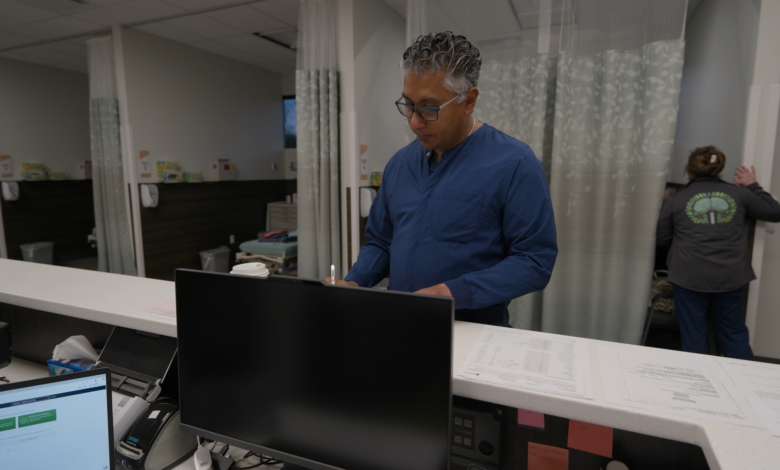
Dr. Kamal Woods leads a practice that offers office-based evaluation, nonsurgical treatment, physical therapy, injections, and surgical care when warranted.
Does Dr. Woods Focus Only on Surgery?
No. Vertrae® describes its model as comprehensive spine care rather than a surgery-first practice. Patients may begin with evaluation, diagnosis, physical therapy, injections, or another conservative treatment plan depending on their symptoms and condition.
Surgery may be considered when appropriate, but the practice emphasizes that many neck and back problems can be treated without an operation. Imaging findings alone do not determine what a patient needs. Symptoms, neurological findings, prior treatment, health, and goals all influence the care plan.
What Role Does Technology Play in His Practice?
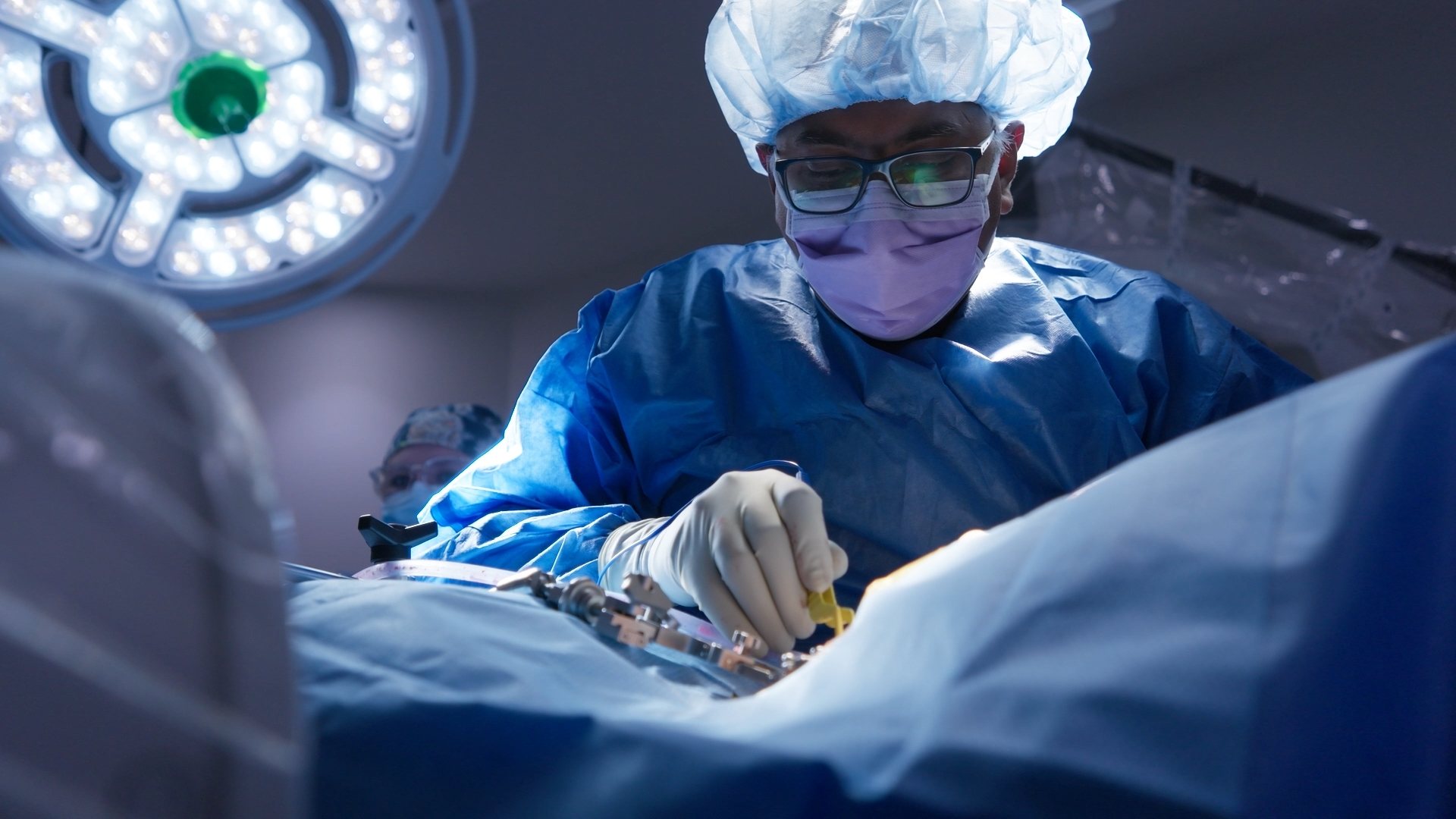
Technology is a significant part of Dr. Woods’ surgical work. Vertrae® identifies him as an early adopter of robotic-assisted and minimally invasive spine techniques. The practice uses robotic guidance for selected procedures to support planning, navigation, and accurate instrument placement.
Robotic technology does not replace the surgeon. Dr. Woods remains responsible for diagnosis, surgical planning, patient selection, and the procedure itself. The technology functions as a guidance tool within a physician-led operation.
Minimally invasive surgery uses smaller surgical corridors and specialized instruments with the goal of limiting disruption to surrounding tissue compared with traditional open approaches. Whether a minimally invasive or robotic-assisted procedure is appropriate depends on the patient and diagnosis.
What Types of Spine Treatment Does He Provide?
Vertrae® lists Dr. Woods’ experience across minimally invasive spine surgery, robotic-assisted procedures, spinal fusion, disc replacement, spinal cord stimulation, and conservative care. His work also includes a motion-preserving approach when appropriate.
Dr. Kamal Woods also leads Vertrae® Surgery Center, an outpatient facility focused on selected spine procedures, while the adjacent practice provides evaluation, nonsurgical treatment, and recovery support.
Having multiple options does not mean every patient receives the same pathway. A person with a herniated disc may have different needs from someone with spinal stenosis, instability, or another degenerative condition. Treatment depends on the specific clinical picture.
Why Is Communication Part of His Care Philosophy?
Vertrae® emphasizes patient-centered communication in Dr. Woods’ biography. The practice describes him as focused on listening to each patient’s story, explaining complex procedures clearly, and involving patients in treatment decisions.
That matters because spine care can include unfamiliar terminology and difficult choices. Patients may need to compare conservative treatment with surgery, understand why one procedure is recommended over another, or discuss realistic recovery expectations.
A useful consultation should help patients understand what is causing symptoms, which options are reasonable, what risks and benefits should be considered, and what might make the treatment plan change.
What Should Patients Take Away From His Professional Profile?
Dr. Woods’ background combines board-certified neurosurgical training, a combined orthopedic and neurosurgery spine fellowship, business education, minimally invasive techniques, robotic guidance, and leadership of a comprehensive spine practice and outpatient surgery center.
Those credentials and technologies provide useful context, but they do not determine the right treatment for an individual. Spine care still depends on personal evaluation, diagnosis, medical history, symptoms, and goals.
A Modern Approach Built Around Individual Spine Care
The clearest theme in Dr. Woods’ professional profile is integration. Conservative treatment, advanced surgery, robotics, minimally invasive techniques, motion preservation, and patient communication are presented as parts of one care model rather than competing approaches.
For patients researching a spine specialist, the most useful questions remain practical: What is the diagnosis? Why is a treatment recommended? What alternatives exist? What should recovery involve? Clear answers help turn credentials and technology into information patients can use.
Modern spine care is strongest when innovation supports individualized clinical judgment. Dr. Woods’ biography reflects that balance by combining specialized training and newer surgical tools with an emphasis on listening, explanation, and choosing a treatment pathway suited to the person rather than the technology.