Elihu Yale: The Powerful Rise of a Colonial Trader Who Built a Timeless Legacy
From Global Trade Ambition to an Enduring Educational Name

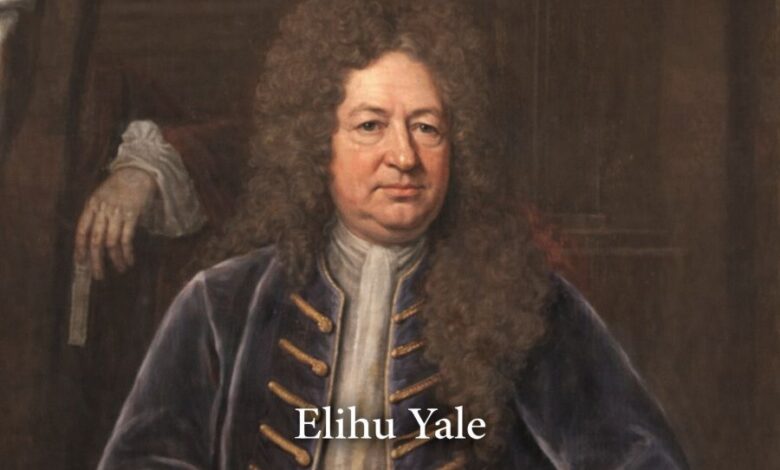
Table of Contents
ToggleIntroduction
Elihu Yale remains one of the most complex and influential figures of the early modern Atlantic world. Known historically as a trader, colonial administrator, and benefactor, his life reflects both ambition and controversy. His story is one of opportunity created through global trade networks, personal enterprise, and strategic generosity, leaving behind a legacy that continues to shape education centuries later.
At the same time, Elihu Yale’s career presents a balanced picture of success and criticism. While he rose to prominence through the British East India Company and became a symbol of wealth and influence, his methods and conduct have been closely examined by historians. This combination of achievement and dispute makes his biography both powerful and instructive.
Quick Bio
| Field | Details |
|---|---|
| Full Name | Elihu Yale |
| Date of Birth | 5 April 1649 |
| Place of Birth | Boston, Massachusetts Bay Colony |
| Nationality | British |
| Ethnicity | Welsh-English |
| Profession | Trader, Colonial Administrator, Philanthropist |
| Known For | Benefactor of Yale College |
| Date of Death | 8 July 1721 |
| Place of Death | London, England |
Early Life and Family Background
Elihu Yale was born into a family with strong transatlantic roots. Though his birthplace was Boston in the Massachusetts Bay Colony, his family returned to England when he was still a child. This early relocation placed him within the political, commercial, and cultural environment of London, which would later shape his professional path.
His family background connected him to early colonial leadership and legal circles, providing him with social capital and exposure to international commerce. Growing up in England during a period of expanding global trade allowed Yale to witness firsthand how merchants and traders accumulated wealth and influence through overseas ventures.
Education and Early Influences
Yale received his education in England, most likely at a respected grammar or private school. While there is no record of university training, his education was sufficient to prepare him for administrative and commercial responsibilities. Literacy, numeracy, and familiarity with trade practices were essential skills for aspiring traders of the time.
His early influences were shaped by England’s growing mercantile ambitions. The expansion of chartered companies and overseas settlements offered young men like Yale a path to advancement that did not depend solely on land ownership or aristocratic titles.
Start of Career as a Trader
Elihu Yale began his professional career in 1671 when he joined the British East India Company. This marked the turning point from education and preparation to active participation in global trade. The East India Company was one of the most powerful commercial organizations of the era, controlling trade routes and commodities across Asia.
In 1672, Yale was sent to Fort St. George in Madras, present-day Chennai. Initially working in junior roles, he quickly demonstrated administrative ability and commercial insight. His understanding of trade, negotiation, and governance helped him climb the ranks within the company.
Rise to Power in Colonial Administration
Yale’s career advanced steadily as he took on increasing responsibility in Madras. His dual role as an administrator and trader allowed him to build strong connections with both company officials and local merchants. By the late 1680s, he had become one of the most influential figures in the settlement.
From 1687 to 1692, he served as President of Fort St. George, effectively acting as governor. This position placed him at the center of political decision-making, trade regulation, and colonial governance. His leadership brought stability and expansion to the settlement, but it also drew criticism for excessive private trading.
Wealth, Trade, and Controversy
As a trader, Elihu Yale accumulated substantial personal wealth. His fortune came from participation in global commerce, including textiles and valuable goods traded between India and Europe. Wealth was a key marker of success during this period, and Yale achieved it on a significant scale.
However, his accumulation of wealth was not without controversy. He was eventually accused of abusing his position for personal gain and was removed from office by the East India Company. This episode highlights the negative side of his career, illustrating how ambition and opportunity sometimes crossed ethical boundaries.
Return to England and Later Career
After leaving India, Yale returned to England as a wealthy man. He settled into life as a landowner and gentleman, maintaining estates and building collections of books and art. His later years were marked by civic service and social prominence rather than active trading.
During this period, he served as High Sheriff of Denbighshire in Wales. This role reflected his standing within British society and confirmed his transition from overseas trader to respected public figure at home.
Philanthropy and Educational Support
One of the most positive aspects of Elihu Yale’s life was his philanthropic contribution to education. In the early eighteenth century, he supported a small institution in Connecticut known as the Collegiate School. His donations included books and valuable goods that were sold to support the school.
In recognition of his generosity, the institution was renamed Yale College. Over time, it evolved into a leading university, ensuring that Yale’s name would remain associated with learning and scholarship long after his death.
Personal Life and Family
Elihu Yale married Catherine Elford while living in Madras. They had several children, though not all survived into adulthood. His family life, like many aspects of his era, was shaped by distance, travel, and the demands of colonial service.
Despite personal challenges, his descendants became connected to prominent British families through marriage. Although his direct male line did not continue, his influence endured through institutional legacy rather than lineage.
Legacy and Historical Assessment
Elihu Yale’s legacy is both powerful and debated. On one hand, he represents the ambition and success possible through global trade and enterprise. On the other, his career reflects the ethical complexities of colonial commerce and administration.
Today, he is remembered primarily for his role as a benefactor whose name became synonymous with higher education. His life offers lessons about ambition, responsibility, and the lasting impact of philanthropy.
Conclusion
Elihu Yale’s story is a striking example of how a trader could rise to international prominence and leave a permanent mark on history. His achievements demonstrate the power of opportunity and enterprise, while his controversies remind us of the moral challenges embedded in colonial systems. Together, these elements form a complete and compelling portrait of a man whose influence continues to be felt centuries later.
Frequently Asked Questions
Who was Elihu Yale?
Elihu Yale was a British trader, colonial administrator, and philanthropist known for his role in global trade and for supporting the institution that became Yale University.
Why is Elihu Yale historically important?
He is important for his leadership in the East India Company and for his educational philanthropy, which created a lasting institutional legacy.
Was Elihu Yale mainly a trader or an administrator?
He was both. His career combined trading activities with high-level colonial administration.
What is Elihu Yale’s legacy today?
His name lives on through Yale University, symbolizing the enduring impact of education and philanthropy.
Did Elihu Yale face criticism during his lifetime?
Yes, he faced criticism and removal from office due to accusations of misconduct related to private trading.