Adam Liptak: The Powerful Voice Shaping Supreme Court Understanding
A Respected American Journalist and Lawyer Bridging Law, Journalism, and Public Insight

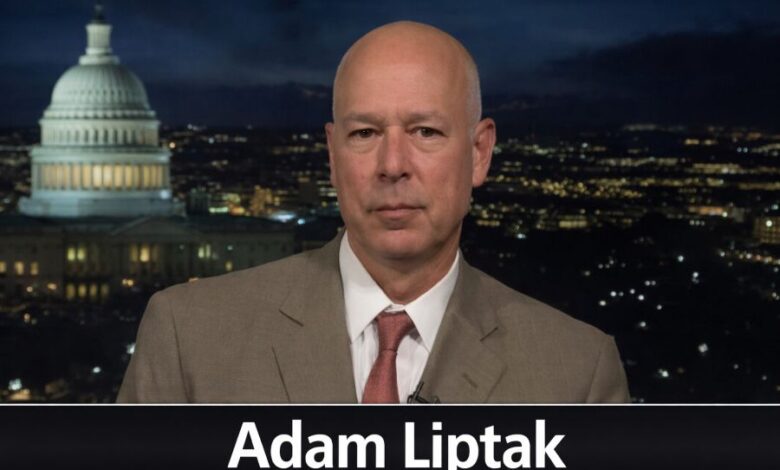
Table of Contents
ToggleIntroduction
Adam Liptak stands as one of the most influential figures in modern legal journalism. As an American journalist and lawyer, he has built a reputation for explaining the most complex Supreme Court decisions in clear, precise, and balanced language. His work does not merely report the law; it interprets its meaning for society, democracy, and everyday life. This ability has earned him wide respect among readers, legal scholars, and journalists alike.
At the same time, Adam Liptak’s role has not been free from scrutiny. Covering the Supreme Court places a journalist under constant pressure to remain accurate, neutral, and insightful while addressing deeply polarizing legal issues. This combination of praise and criticism reflects the seriousness of his work and highlights his importance in shaping how the public understands the American legal system.
Quick Bio
| Field | Details |
|---|---|
| Full Name | Adam Liptak |
| Date of Birth | September 2, 1960 |
| Birthplace | Stamford, Connecticut, United States |
| Nationality | American |
| Profession | American journalist and lawyer |
| Known For | Supreme Court correspondent |
| Employer | The New York Times |
| Education | Yale University (BA), Yale Law School (JD) |
| Spouse | Jennifer Bitman |
| Children | Two |
Early Life and Education
Adam Liptak was born in Stamford, Connecticut, where he spent his early years developing a strong interest in reading, writing, and public affairs. From an early stage, he showed a clear inclination toward language and critical thinking, skills that would later define his professional identity. His upbringing in the United States provided him with firsthand exposure to the country’s legal and civic culture, which later became central to his work.
He pursued higher education at Yale University, earning a Bachelor of Arts degree in English. During this period, he served as an editor at The Yale Daily News, gaining early experience in journalism. His academic journey continued at Yale Law School, where he earned a Juris Doctor degree. This rare combination of elite training in both journalism and law would later become the foundation of his unique professional voice.
Professional Identity as an American Journalist and Lawyer
Adam Liptak’s professional identity is defined by the rare balance he maintains between legal expertise and journalistic clarity. As an American journalist and lawyer, he brings courtroom-level precision to news reporting while maintaining accessibility for general readers. This dual background allows him to analyze judicial decisions not only as legal texts but also as social and political events.
His writing style is widely recognized for being measured, explanatory, and deeply informed. While supporters praise his ability to demystify legal language, critics sometimes argue that Supreme Court reporting itself can shape public opinion. This tension underscores the responsibility carried by journalists operating at the intersection of law and public discourse.
Start of Career and Legal Background
Adam Liptak began his professional journey at The New York Times in an entry-level newsroom role, gaining firsthand exposure to the mechanics of major journalism. After completing law school, he worked as a lawyer at a prominent law firm, where he focused on First Amendment and media-related legal issues. This phase of his career strengthened his understanding of how law affects press freedom and public information.
He later joined The New York Times Company legal department, advising on matters such as defamation, privacy, and newsgathering rights. This behind-the-scenes legal work placed him in direct contact with the challenges faced by journalists, shaping his later reporting with a strong awareness of legal responsibility and ethical boundaries.
Transition into Legal Journalism
In the early 2000s, Adam Liptak transitioned from legal counsel to full-time journalism. This shift marked a defining moment in his career, allowing him to combine his legal expertise with his passion for reporting. As a national legal correspondent, he began covering major legal developments across the United States.
His analytical depth quickly set him apart. Rather than focusing only on case outcomes, he explored broader implications, historical context, and international comparisons. This approach helped readers understand not just what the law decided, but why it mattered.
Role as Supreme Court Correspondent
Adam Liptak became the Supreme Court correspondent for The New York Times, a role that placed him at the center of American constitutional reporting. In this position, he covers landmark rulings, judicial philosophies, and the evolving role of the Court in American life. His reporting often examines how U.S. legal principles compare with those of other democracies.
While his coverage is widely praised for clarity and depth, it has also attracted criticism from those who believe Supreme Court journalism should remain strictly descriptive. This balance between explanation and interpretation is one of the defining challenges of his work and contributes to ongoing debates about the role of legal journalists.
Teaching and Intellectual Contribution
Beyond reporting, Adam Liptak has contributed to legal education by teaching at respected universities. His courses focus on media law, the Supreme Court, and the relationship between journalism and constitutional principles. Through teaching, he has influenced a new generation of journalists and legal thinkers.
His academic involvement reinforces his credibility and reflects a commitment to public understanding of the law. It also demonstrates his belief that journalism and education play complementary roles in a healthy democracy.
Writing, Analysis, and Public Influence
Adam Liptak’s writing extends beyond daily reporting. He has contributed essays and long-form analysis to respected publications, addressing issues such as judicial power, civil rights, and legal accountability. His work often challenges readers to think critically about how legal decisions shape society.
Supporters view his influence as essential to democratic transparency, while critics caution against over-interpretation of judicial intent. Both perspectives highlight the significance of his role in shaping legal conversations in the United States.
Conclusion
Adam Liptak has built a distinguished career as an American journalist and lawyer whose work sits at the heart of legal understanding in the United States. His ability to translate complex Supreme Court decisions into meaningful public knowledge represents a powerful contribution to modern journalism. At the same time, the debates surrounding his role reflect the broader challenges of legal reporting in a divided society.
Ultimately, his legacy lies in clarity, discipline, and intellectual honesty. Whether praised or questioned, Adam Liptak remains a central figure in how the American public understands its highest court and the laws that govern daily life.
Frequently Asked Questions
Who is Adam Liptak?
Adam Liptak is an American journalist and lawyer best known for serving as the Supreme Court correspondent for The New York Times.
What makes Adam Liptak’s work unique?
His dual background in law and journalism allows him to explain Supreme Court decisions with both legal accuracy and journalistic clarity.
Where did Adam Liptak study?
He studied English at Yale University and later earned a law degree from Yale Law School.
What topics does Adam Liptak cover?
He primarily covers Supreme Court rulings, constitutional law, judicial philosophy, and the impact of legal decisions on society.
Why is Adam Liptak influential?
He has helped make complex legal issues understandable to the general public, shaping public awareness of the U.S. legal system.