Evelina Fernández Powerful Legacy Builds Hope Despite Barriers
A human biography of a Chicana/Xicana Latina storyteller

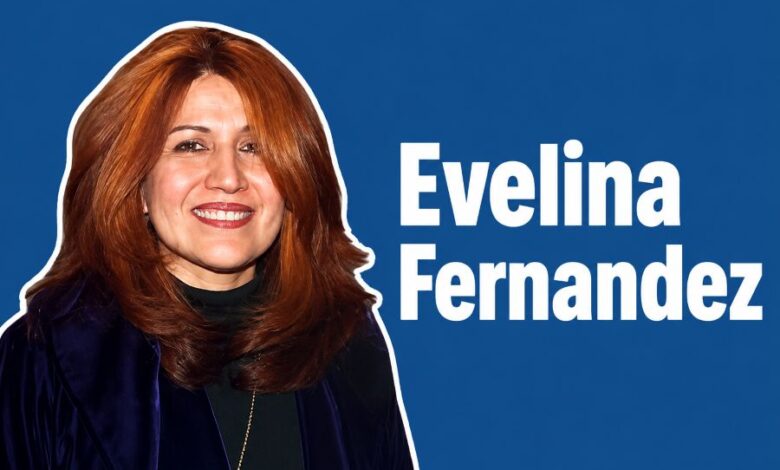
Table of Contents
ToggleIntroduction
Evelina Fernández is a respected American playwright, screenwriter, actor, producer, and theatre artist known for telling meaningful stories about Latinx life in the United States. She was born and raised in East Los Angeles and has built a powerful career around culture, memory, identity, family, and social history.
She is closely connected with the Latino Theater Company, where she has worked as a founding creative figure and an important voice in American Latino theatre. Her writing does not only entertain audiences; it also preserves cultural memory and gives visibility to people, families, and communities that are often underrepresented in mainstream theatre and film.
Quick Bio
| Field | Details |
|---|---|
| Real Name | Evelina Fernández |
| Nationality | American |
| Cultural Identity | Chicana/Xicana, Latina |
| Background | Mexican-American background |
| Birthplace | East Los Angeles, California, United States |
| Profession | Playwright, screenwriter, actor, producer, theatre artist |
| Education | Garfield High School, East L.A. College, California State University, Los Angeles |
| Spouse | José Luis Valenzuela |
| Children | Two children |
| Known For | Latino Theater Company, Zoot Suit, Luminarias, Dementia, A Mexican Trilogy, The Mother of Henry |
| Main Themes | Family, identity, migration, memory, women, East Los Angeles, Latinx experience |
Early Life and Cultural Background
Evelina Fernández grew up with a strong connection to East Los Angeles, a place that became more than a hometown in her creative life. It became a source of memory, character, language, humor, pain, and hope. Her Mexican-American background helped shape the emotional foundation of her plays, especially those focused on family history and cultural survival.
Her identity as a Chicana/Xicana and Latina artist is central to her public work. She often writes from inside the community rather than from the outside looking in. This gives her storytelling a lived emotional truth. She understands how families carry memory, how women carry responsibility, and how communities protect their identity even when facing pressure, loss, or discrimination.
Education
Evelina Fernández attended Garfield High School, East L.A. College, and California State University, Los Angeles. During her studies, she found her place in Chicano theatre and began building the artistic path that would define her life. Her education connected her with performance, writing, activism, and cultural expression.
Her school years were important because they introduced her to theatre as a space where personal stories could become public art. She did not follow a career based only on fame. She followed a career based on voice, representation, and the need to show Latino characters as full human beings with dreams, fears, humor, flaws, and dignity.
Family and Personal Life
Evelina Fernández is married to José Luis Valenzuela, a theatre and film director who has also been deeply involved with Latino Theater Company. Their creative partnership has supported many stage productions and helped strengthen Latino theatre in Los Angeles. Together, they are connected not only by family life but also by a shared artistic mission.
She and José Luis Valenzuela have two children. Her family life has also influenced the emotional subjects in her writing. Many of her works explore mothers, daughters, memory, caregiving, marriage, cultural duty, and the complicated love that exists inside families.
Start of Career
Evelina Fernández began her professional acting career in Luis Valdez’s historic stage production Zoot Suit, where she played Della in the original stage production at the Mark Taper Forum. This role became a major turning point because Zoot Suit was one of the most important Chicano theatre works in American stage history.
After Zoot Suit, she toured nationally and internationally with El Teatro de la Esperanza. This experience helped her grow as a performer and connected her more deeply with Chicano theatre traditions. It also taught her how theatre could work as a cultural force, not only as entertainment but also as education, resistance, and healing.
Acting Career
As an actor, Evelina Fernández has appeared in theatre, television, and film. Her screen career includes work in productions such as Hill Street Blues, Roseanne, Flatliners, Postcards from the Edge, American Me, A Million to Juan, Luminarias, Gabriela, Go for Sisters, and other projects.
Her acting career is important because she became part of a generation of artists who challenged limited portrayals of Latino characters. Instead of accepting narrow images, she helped build richer roles and more truthful stories. Her performances and writing both show a commitment to dignity, complexity, and cultural honesty.
Playwriting Career
Evelina Fernández is especially admired for her playwriting. Her plays often focus on Latina women, Mexican-American families, social change, faith, grief, politics, memory, and the emotional life of East Los Angeles.
Her major plays include Dementia, Premeditation, Solitude, Luminarias, A Mexican Trilogy An American Story, The Mother of Henry, La Olla, La Virgen de Guadalupe Dios Inantzin, and The Storyteller of East LA. These works show her range as a writer who can use comedy, drama, magical realism, family conflict, and political memory to tell powerful human stories.
Latino Theater Company
The Latino Theater Company is one of the most important parts of Evelina Fernández’s career. She is recognized as a founding member and a major artistic figure connected with the company. Through this company, she has helped create a space where Latino stories can be developed, staged, and respected by wider audiences.
Her work with the company shows long-term dedication rather than short-term success. She helped build an artistic home for stories that might otherwise be ignored. This contribution is one reason her legacy is not only about individual plays, but also about cultural institution-building.
Major Works
Zoot Suit
Zoot Suit was a major beginning point in her professional life. Playing Della connected her with a historic Chicano theatre movement and gave her early visibility as a performer.
The production also helped shape her understanding of what theatre could do. It showed that Chicano stories could stand powerfully on major American stages and speak to history, identity, injustice, and pride.
Luminarias
Luminarias is one of her best-known screen projects. She wrote, produced, and starred in the film, which focuses on Latina women, friendship, identity, romance, and independence.
The project is important because it placed professional Latina women at the center of the story. It challenged simple stereotypes and presented women with emotional depth, humor, confidence, and personal struggle.
A Mexican Trilogy An American Story
A Mexican Trilogy An American Story is one of Evelina Fernández’s most significant works. It follows a Mexican-American family across generations and explores how history, migration, identity, and family memory shape the Latinx experience in America.
The trilogy is powerful because it turns family history into national history. Through one family, she shows how Mexican-American life is part of the larger American story, not outside it.
The Mother of Henry
The Mother of Henry is another major work in her career. The play reflects her interest in motherhood, faith, social pressure, and political history.
The play shows how personal choices are often shaped by public events. It also highlights the strength of women who carry family responsibility during difficult times.
The Storyteller of East LA
The Storyteller of East LA is a later work written by Evelina Fernández and directed by José Luis Valenzuela. The play explores memory loss, caregiving, family conflict, compassion, and storytelling through a family-centered East L.A. drama.
This work continues her lifelong interest in memory and family. It also shows that her voice remains active, relevant, and emotionally connected to present-day community concerns.
Career Timeline
| Period | Career Highlight |
|---|---|
| Early life | Grew up connected to East Los Angeles and Mexican-American family history |
| Student years | Studied at Garfield High School, East L.A. College, and Cal State LA |
| Late 1970s | Began professional acting career in Zoot Suit |
| After Zoot Suit | Toured with El Teatro de la Esperanza |
| 1980s | Became connected with Latino Theater Company |
| 1987 | Appeared in Hill Street Blues |
| Late 1980s | Appeared in Roseanne |
| 1990s | Worked in film projects including Flatliners, Postcards from the Edge, and American Me |
| 2000 | Wrote, produced, and starred in Luminarias |
| 2000s | Continued building reputation as playwright and screenwriter |
| 2010s | Developed and staged major theatre works including A Mexican Trilogy |
| 2019 | Received recognition for The Mother of Henry |
| 2026 | The Storyteller of East LA was presented by Latino Theater Company |
Awards and Recognition
Evelina Fernández has received recognition for her work as a playwright, writer, and performer. Her honors are connected with works such as The Mother of Henry, A Mexican Trilogy, Dementia, and Luminarias. She has also worked as a cultural consultant on Pixar’s Coco and as a writer for East Los High.
These achievements show that her influence reaches beyond one stage or one audience. She has worked in theatre, film, television, and cultural consulting, always keeping her creative focus close to Latino experience and representation.
Complete Career Overview
Evelina Fernández’s career can be understood as a long journey from performer to cultural leader. She began as an actor, became a screenwriter and playwright, and then grew into one of the important voices connected with Chicano and Latino theatre in Los Angeles.
Her work is powerful because it is both personal and political. She writes about families, but those families exist inside history. She writes about women, but those women carry community memory. She writes about East Los Angeles, but that place becomes a symbol of identity, survival, creativity, and pride.
Legacy
Evelina Fernández’s legacy is rooted in representation, cultural memory, and artistic courage. As a Chicana/Xicana Latina writer with a Mexican-American background, she has helped bring East Los Angeles stories and U.S. Latinx experiences into serious artistic spaces.
Her work has opened doors for Latino actors, writers, and audiences who want to see themselves represented with honesty. She proves that powerful storytelling can fight invisibility, preserve heritage, and turn family memory into lasting art.
Conclusion
Evelina Fernández remains an important figure in American theatre because her work speaks with emotional truth and cultural strength. She has built a career through acting, writing, producing, and supporting Latino Theater Company, while staying connected to the stories of East Los Angeles and the wider Latinx community.
Her life and career show both positive achievement and the struggle against barriers. She has used theatre and film to create visibility where silence once existed. Through her plays, screenwriting, family-centered stories, and long partnership with José Luis Valenzuela, she has created a meaningful legacy that continues to inspire new generations.
FAQ About Evelina Fernández
Who is Evelina Fernández?
She is an American Chicana/Xicana playwright, screenwriter, actor, producer, and theatre artist.
What is Evelina Fernández known for?
She is known for Latino Theater Company, Luminarias, A Mexican Trilogy, Dementia, and The Mother of Henry.
What is her cultural background?
She has a Chicana/Xicana, Latina, and Mexican-American background.
Where is she from?
She is from East Los Angeles, California, United States.
Who is Evelina Fernández’s husband?
She is married to theatre and film director José Luis Valenzuela.
Does she have children?
Yes, she has two children.
What themes does she write about?
She writes about family, memory, women, identity, migration, culture, and the U.S. Latinx experience.
What is her career legacy?
Her legacy is helping strengthen Chicano and Latino representation in American theatre and film.