Marshall Goldberg: Inspiring Yet Underrated Hero – Triumph, Struggles, and Lasting Legacy in Football
A powerful journey of excellence, sacrifice, and forgotten greatness
 Bio NewslyApril 15, 2026Last Updated: April 15, 2026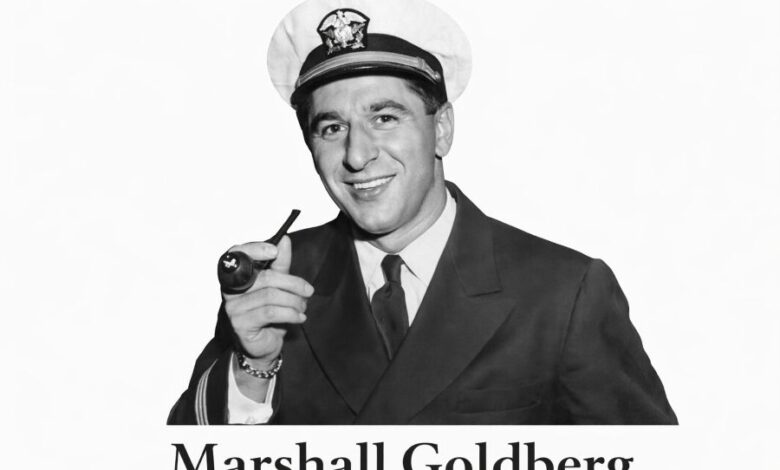
Table of Contents
ToggleIntroduction
Marshall Goldberg remains one of those rare athletes whose story blends brilliance with quiet humility. Known as “Biggie,” he was not just an American football halfback but a complete player who could influence every moment of the game. His career was filled with remarkable achievements, yet history often overlooks his name compared to modern stars.
What makes Goldberg’s story truly compelling is the balance between success and sacrifice. He reached the highest levels of football, paused his career to serve his country, and returned to win championships. This mix of talent, discipline, and resilience defines his legacy and continues to inspire football enthusiasts today.
Quick Bio
| Field | Information |
|---|---|
| Real Name | Marshall Goldberg |
| Nickname | Biggie |
| Date of Birth | October 24, 1917 |
| Date of Death | April 3, 2006 |
| Age (at death) | 88 years |
| Birthplace | Elkins, West Virginia, USA |
| Nationality | American |
| Ethnicity | Jewish-American |
| Religion | Judaism |
| Height | 5 ft 9 in (175 cm) |
| Weight | 190 lbs (86 kg) |
| Profession | American Football Player |
| Position | Halfback |
| College | University of Pittsburgh |
| NFL Team | Chicago Cardinals |
Early Life and Athletic Roots
Marshall Goldberg was born in the small town of Elkins, West Virginia, where life was simple but demanding. Growing up in a close-knit community, he quickly developed a strong work ethic that would later define his career. Sports became his outlet, and it didn’t take long for people around him to notice his exceptional athletic ability.
During his high school years, Goldberg didn’t limit himself to football. He actively participated in basketball and track, showing versatility that was rare even at a young age. This multi-sport background helped shape his agility, speed, and awareness—qualities that would later make him a standout American football halfback.
College Career at the University of Pittsburgh
Goldberg’s journey took a major leap when he joined the University of Pittsburgh, one of the strongest football programs of that era. Playing under coach Jock Sutherland, he became part of a dominant team that consistently performed at the highest level. His role in the squad was crucial, as he contributed both offensively and defensively.
Between 1936 and 1938, Goldberg helped Pittsburgh secure national championships and gain national recognition. His performance earned him All-American honors, and he finished as a top contender for the Heisman Trophy. It was during this period that “Biggie” became a household name in college football circles.
Rise in Professional Football
After his successful college career, Goldberg transitioned into the NFL, joining the Chicago Cardinals. This move marked the beginning of a new chapter, where he faced tougher competition and greater expectations. Despite the challenges, he adapted quickly and proved his worth on the professional stage.
His ability to play multiple roles made him incredibly valuable to his team. Whether running the ball, catching passes, or returning kicks, Goldberg consistently delivered. His versatility wasn’t just a skill—it was his identity as a player, setting him apart from many of his contemporaries.
Career Achievements and Playing Style
Marshall Goldberg’s playing style was a perfect blend of intelligence and athleticism. He wasn’t the biggest player on the field, but his awareness and quick decision-making gave him a significant edge. He could read the game like few others, making him a constant threat to opposing teams.
One of his most notable achievements came in 1947 when he helped the Chicago Cardinals win the NFL Championship. Along with multiple All-Pro selections, this victory cemented his status as one of the top players of his era. His contributions went beyond statistics—he brought balance and creativity to the game.
Military Service and Personal Sacrifice
At the peak of his career, Goldberg made a decision that defined his character. During World War II, he stepped away from football to serve in the United States Navy. This was not an easy choice, especially for a player performing at such a high level.
His time in the military reflected the same discipline and dedication he showed on the field. Serving as a lieutenant, Goldberg contributed to his country during a critical period. This interruption in his career may have limited his professional achievements, but it added a deeper dimension to his legacy.
Career Timeline
- 1917: Born in Elkins, West Virginia
- 1936–1938: Played college football at University of Pittsburgh
- 1936–1937: Won national championships
- 1939: Joined Chicago Cardinals
- 1943–1945: Served in United States Navy during World War II
- 1946: Returned to professional football
- 1947: Won NFL Championship
- 1948: Retired from professional football
- 1958: Inducted into College Football Hall of Fame
- 2006: Passed away
Life After Football
After retiring from football, Goldberg did not seek the spotlight. Instead, he focused on building a stable life outside the sport. He worked in the insurance industry and later became involved in the machine tools business, showing his adaptability beyond athletics.
Although he stepped away from professional sports, his connection to football remained strong. He continued to be recognized for his contributions and was honored through various halls of fame and team recognitions. His post-football life reflected humility and quiet success.
Legacy and Lasting Impact
Marshall Goldberg’s legacy goes far beyond his achievements on the field. He represents a generation of athletes who played with passion, integrity, and a sense of duty. His story reminds us that greatness is not always measured by fame but by impact and character.
As an American football halfback, Goldberg helped shape the role into what it is today. His versatility, intelligence, and resilience set standards that future players would follow. Even decades later, his influence can still be felt in the way the game is played.
Conclusion
Marshall Goldberg’s life is a powerful example of talent meeting discipline and purpose. While he may not always receive the recognition he deserves, his contributions to football and his service to his country speak volumes about who he was as a person.
In a world that often celebrates only the loudest names, Goldberg’s story stands as a reminder that true greatness can be quiet, consistent, and deeply meaningful. His journey—from a small town to the heights of football—continues to inspire those who value dedication and integrity.
Useful FAQ
1. Who was Marshall Goldberg?
Marshall Goldberg was a professional American football player known for his versatility and success with the Chicago Cardinals.
2. Why was he called “Biggie”?
“Biggie” was his popular nickname during his playing days, reflecting his strong presence on the field.
3. What position did he play?
He played as a halfback, contributing in rushing, receiving, and special teams.
4. Did Marshall Goldberg serve in the military?
Yes, he served in the United States Navy during World War II.
5. What was his biggest achievement?
One of his biggest achievements was winning the 1947 NFL Championship with the Chicago Cardinals.
6. Where did he play college football?
He played at the University of Pittsburgh, where he became an All-American player.
7. What is his legacy in football?
He is remembered as a versatile and intelligent player who helped shape the role of the modern halfback.
Bio NewslyApril 15, 2026Last Updated: April 15, 2026