Chester Morris: A Fearless Hollywood Pioneer Who Ruled the Screen and Faced the Fall
The powerful rise, quiet struggles, and lasting legacy of an American stage actor who shaped early cinema

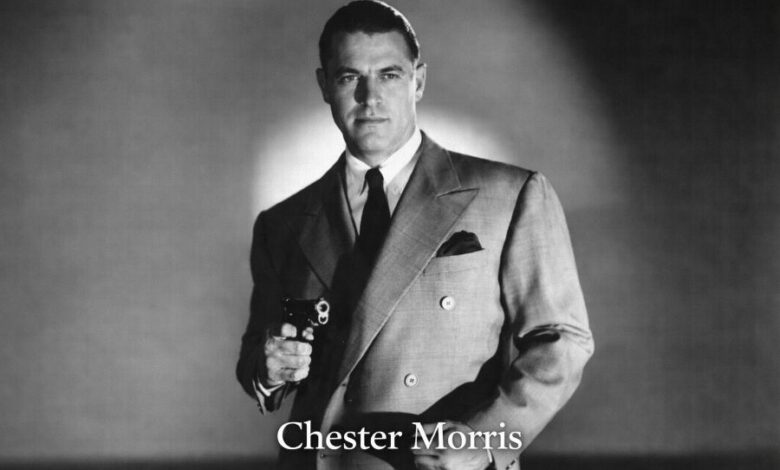
Table of Contents
ToggleIntroduction
Chester Morris was one of the earliest stars to successfully bridge the gap between silent films and sound cinema, a transition that ended many promising careers. His journey was marked by sharp success, professional setbacks, and an enduring comeback that secured his place in classic Hollywood history. As an American stage actor who mastered film, radio, and television, Morris represented both the glamour and the harsh realities of the entertainment industry.
At his peak, Chester Morris stood among the most respected performers of his generation, earning critical acclaim and industry recognition. Yet his career also reflects the unforgiving nature of fame, where talent alone was not always enough. His story is powerful because it carries both triumph and struggle, making his legacy far more human and enduring.
Quick Bio of Chester Morris
| Attribute | Details |
|---|---|
| Real Name | John Chester Brooks Morris |
| Profession | Actor |
| Nationality | American |
| Date of Birth | February 16, 1901 |
| Birthplace | New York City, New York, USA |
| Date of Death | September 11, 1970 |
| Age at Death | 69 years |
| Height | Approximately 5 ft 9 in (1.75 m) |
| Parents | William Morris, Etta Hawkins |
| Spouses | Suzanne Kilbourne; Lillian Kenton Barker |
| Children | John Brooks, Cynthia, Kenton |
| Known For | Film acting, Boston Blackie series |
Early Life and Family Background
Chester Morris was born into a family deeply rooted in the performing arts. His father, William Morris, was a stage actor, while his mother, Etta Hawkins, worked as a stage comedienne. Growing up in New York City, Morris was surrounded by theater culture from an early age, which shaped both his interests and his future career.
This artistic environment gave him early exposure to professional acting, allowing him to understand stage discipline and performance technique while still young. His siblings were also involved in entertainment, reinforcing the family’s connection to the arts and making acting a natural career path rather than a distant dream.
Education and Early Artistic Development
Morris attended Lincoln School in Mount Vernon, New York, but formal education soon took a back seat to his growing involvement in theater. His passion for performance outweighed classroom learning, and he left school early to pursue acting full-time.
By his teenage years, he was already performing on Broadway, developing stage confidence that later distinguished him from many early film actors. This strong theatrical foundation helped him adapt smoothly to demanding roles and live performances throughout his career.
Start of Career on the Stage
Chester Morris began his professional acting career on the Broadway stage during his teens. Theater was his first training ground, where he learned voice control, physical presence, and emotional expression, all essential skills for long-term success.
As an American stage actor, Morris quickly gained attention for his commanding performances and natural screen presence. His early stage success established him as a serious performer and opened doors to opportunities in the rapidly growing film industry.
Transition to Film and Early Success
Morris entered the film industry during the silent era, appearing in motion pictures while continuing stage work. When sound films emerged, many actors struggled to adapt, but Morris’s theater background allowed him to transition successfully.
His breakthrough came with the sound film Alibi, which earned him critical acclaim and marked him as a leading man in Hollywood. This moment represented the height of his early career and positioned him among the most promising actors of his generation.
Career Highs and Industry Challenges
Following his success, Chester Morris appeared in several major productions, showcasing his versatility in drama and crime films. He worked with leading studios and co-starred with well-known actors, reinforcing his status in Hollywood.
However, the industry soon shifted, and Morris experienced a decline in leading roles. Studio politics, changing audience tastes, and fierce competition pushed him toward lower-budget productions, highlighting the unpredictable nature of fame in early Hollywood.
The Boston Blackie Revival
Morris revived his career in the 1940s by starring as Boston Blackie, a clever reformed criminal turned detective. This role reintroduced him to audiences and became the most recognizable phase of his career.
The Boston Blackie films showcased his charisma and sharp wit, proving that he could still command the screen. This comeback demonstrated resilience and adaptability, traits that defined his long career and sustained his relevance in the industry.
Radio, Television, and Later Career
Beyond film, Morris expanded into radio, bringing his popular detective character to a new medium. He later transitioned into television, appearing in drama series and guest roles during the medium’s early years.
He never abandoned the stage, continuing to perform in theater productions throughout his life. This multi-platform career reflected his dedication to acting and his ability to evolve with changing entertainment formats.
Personal Life and Character
Chester Morris married twice and was a father to three children. Despite professional struggles, he remained committed to his family and continued working steadily throughout his life.
Known among peers as disciplined and serious about his craft, Morris was respected for his professionalism. His personal life remained relatively private compared to the highly publicized lives of many Hollywood stars.
Health, Final Years, and Death
In his later years, Morris faced serious health challenges that affected his work and personal life. Despite these difficulties, he remained active in acting for as long as he could.
He passed away on September 11, 1970, at the age of 69. His death marked the end of a career that spanned over five decades and multiple entertainment eras.
Legacy and Cultural Impact
Chester Morris left behind a powerful legacy as a performer who survived Hollywood’s most dangerous transitions. From silent films to sound, from cinema to television, he adapted when many could not.
He is remembered as a skilled actor whose work continues to be studied by classic film enthusiasts. His life stands as both a success story and a cautionary tale, making his legacy honest, complex, and deeply human.
Conclusion
Chester Morris was a commanding talent whose career reflected both the brilliance and brutality of early Hollywood. His rise proved his ability, while his setbacks revealed the industry’s unforgiving nature. Yet through resilience and reinvention, he secured a lasting place in film history.
As an American stage actor who conquered multiple entertainment platforms, Morris remains a symbol of endurance, talent, and artistic commitment. His story continues to inspire those who understand that true legacy is built not only on success, but on survival.
Frequently Asked Questions
Who was Chester Morris?
Chester Morris was an American actor known for his work in stage, film, radio, and television, particularly the Boston Blackie series.
What was Chester Morris famous for?
He was best known for his Academy Award–nominated performance in early sound cinema and his starring role as Boston Blackie.
Did Chester Morris work in theater?
Yes, he began his career on Broadway and continued stage acting throughout his life.
How long did Chester Morris’s career last?
His career spanned more than fifty years, covering silent films through television.
Why is Chester Morris still remembered today?
He is remembered for successfully adapting to major industry changes and for leaving a lasting impact on classic American cinema.